
Also known as
Laminaria digitata and Ascophyllum nodosum, Sea vegetable, Sea-Weed, Sea Frond and Atlantic Seaweed.
Introduction
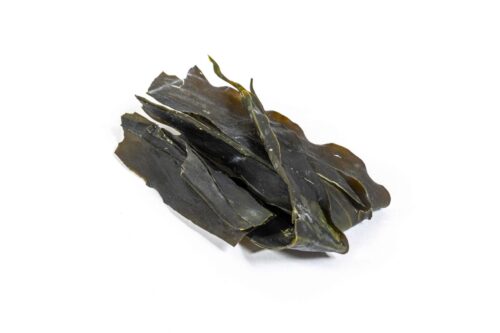
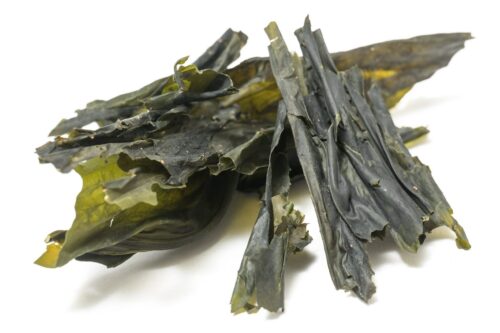
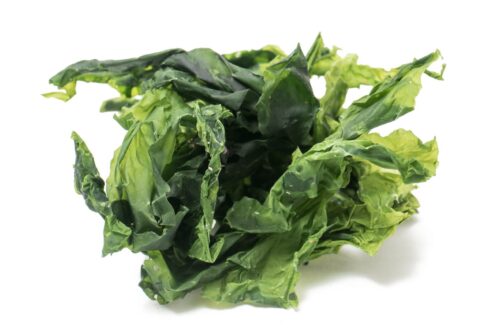
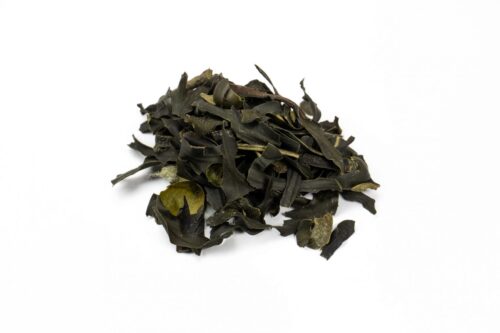
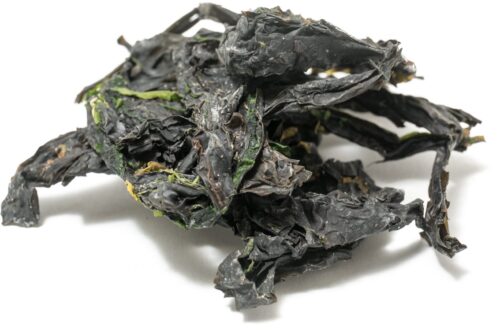
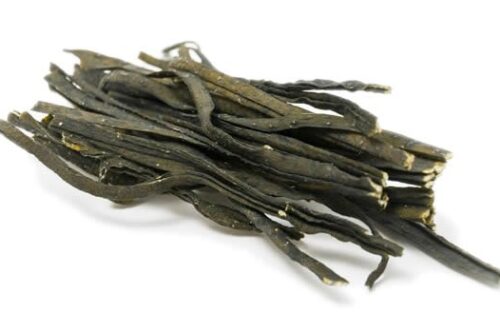
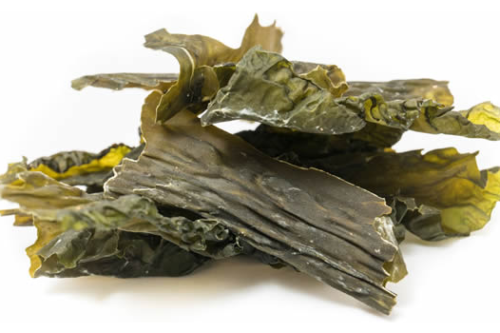
Kelp is an underwater plant with a majestic form, deep green colour and a high nutritional yield. Commonly referred to as "seaweed" this botanical beauty is not from the common "seaweed" but rather a different classification of plant entirely. Care and importance should be taken when consuming kelp and one should know its origin. Our Kelp from Galway, Ireland is harvested by hand from clean Atlantic waters.
Constituents
Iodine, Calcium, Iron, Potassium, Vitamin B1, B2, B12 and polysaccharides.
Nutritional analysis of Laminaria digitata
|
Protein |
8-14% |
|
Fat |
1% |
|
Carbohydrates |
48% |
|
Vitamin C |
12-18 ppm |
|
Vitamin B1 |
5 ppm |
|
Vitamin B2 |
22 ppm |
|
Vitamin B3 |
34 ppm |
|
Vitamin B12 |
0.6-0.12 ppm |
|
Laminaran |
0-18% |
|
Mannitol |
4-16% |
|
Calcium |
12,400-13,200 ppm |
|
Iodine |
800-5,000 ppm |
|
Iron |
50-70 ppm |
|
Magnesium |
6,400-7,860 ppm |
|
Manganese |
1-16 ppm |
|
Sodium |
2-5.2% |
Parts Used
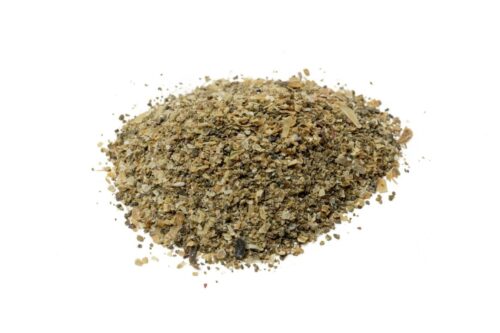
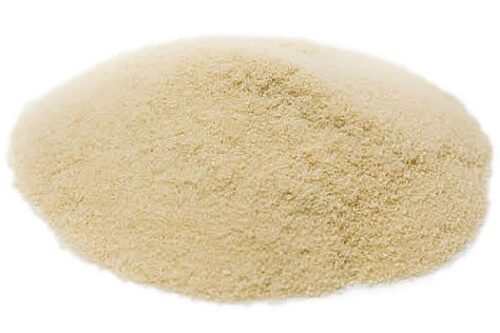
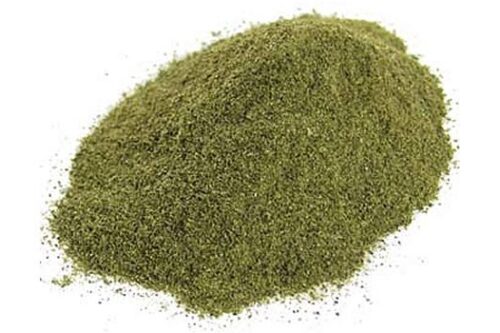
Powdered whole kelp plant, which has been sun dried, cleaned and processed.
Typical preparations
Powdered kelp can be easily included in practically every dish. You may sprinkle it on entrees, soups, salads, and it makes a marvelous drink in the form of a "green smoothie". Also adds well in teas and in iced drinks.
Summary
Japanese studies have shown that the high Iodine value in Kelp assists with healthy thyroid function and these results have been overwhelmingly supportive in it being an effective treatment for hypothyroidism. Preliminary tests are showing that it may be effective in the supplemental treatment of tumors, however to date these reports have not been validated.
Precautions
While Kelp may be used liberally, overuse is not recommended because of the danger of triggering Hyperthyroidism.