

Pea protein has become the default choice for anyone moving away from whey, and it has earned that spot. It is affordable, high in protein and mixes well in shakes. But if your morning shake has started to feel a bit samey, or peas simply do not agree with you, there is a whole world of protein powders worth exploring.
In this guide we compare three of our favourite alternatives: sunflower protein, pumpkin seed protein and bone broth powder. Two are plant-based and one is not, and each brings something different to the table.
Why look beyond pea protein?
Protein is not just for gym-goers. It plays a part in muscle repair, skin, hair and immunity, and protein contributes to the growth and maintenance of muscle mass, which matters more and more as we get older. Variety is a good thing in any diet, and protein powders are no exception. Rotating your sources gives you a broader spread of minerals and amino acids, and it keeps things interesting in the kitchen.
There are practical reasons too. Some people find pea protein heavy on the stomach, others dislike its earthy taste, and some simply want a powder that works in savoury cooking as well as shakes.
Sunflower protein: the mild, everyday option

Our organic sunflower protein powder is made from sunflower seeds grown in the UK. Once the oil has been pressed out, the remaining seed cake is milled into a fine powder with around 45% protein. It is Soil Association certified organic and contains all nine essential amino acids.
- Taste: light and delicately nutty, so it does not overpower other flavours.
- Fibre: around 7.8g per 100g, which helps a shake feel more satisfying and supports gut health.
- Allergens: naturally free from soya, dairy and gluten, which makes it a good fit for people avoiding common allergens (as always, check the label if you have a seed allergy).
Sunflower protein is lower in protein than pea, so think of it as a gentle, whole-food style powder rather than a high-performance isolate. It is brilliant in porridge, baking and homemade protein bars, and it is one of the most affordable powders in our range.
Pumpkin seed protein: the mineral-rich all-rounder
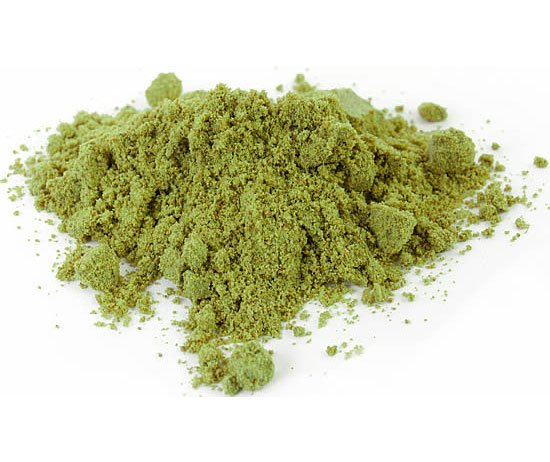
Our organic pumpkin seed protein powder comes from Austria, a country with a long tradition of growing pumpkins for their seeds. At over 60% protein, it sits comfortably between sunflower and pea.
- Minerals: pumpkin seeds are a natural source of magnesium, zinc, iron, phosphorus and manganese, and much of that carries through into the powder.
- Taste and colour: a delicious, nutty flavour and a natural green tint, which looks right at home in a green smoothie.
- Versatility: it works in sweet and savoury dishes, from shakes and raw treats to falafel, veggie burgers and soups.
If you like the idea of whole seeds too, our organic nuts and seeds range includes pumpkin seeds for sprinkling over salads, soups and breakfast bowls.
Bone broth powder: the non-plant option with a difference

We know, bone broth is not a plant protein. We have included it because many people weighing up their options are really asking a broader question: which protein powder suits me best? For those who eat animal products, bone broth is a great choice.
Our organic beef bone broth powder is made from the bones of grass-fed cows and is one of very few certified organic bone broth powders available in the UK. It is over 95% protein, and most of that protein, up to 84%, is collagen.
- Taste: Mild and savoury. It can be mixed into hot or cold liquids, but is best blended using a Nutribullet or milk frother wand for a smoother consistency.
- Uses: stir two dessert spoons into soups, stews, sauces or a mug of hot water with a little miso for a warming savoury drink.
- Worth knowing: collagen is rich in glycine and proline but low in the amino acid tryptophan, so it works best alongside other protein sources rather than as your only one.
Want to dig deeper? Our guides to choosing the best bone broth powder and organic bone broth powder cover it in more detail.
Sunflower vs pumpkin seed vs bone broth: side by side
| Sunflower protein | Pumpkin seed protein | Bone broth powder | Pea protein (for reference) | |
|---|---|---|---|---|
| Protein content | Around 45% | Over 60% | Over 95% | Around 80% |
| Vegan | Yes | Yes | No | Yes |
| Origin | UK | Austria | Sweden | Varies |
| Taste | Light and nutty | Rich and nutty | Mild and savoury | Earthy |
| Standout feature | Gentle, allergen-friendly, great value | Naturally rich in minerals | Up to 84% collagen | High protein, smooth mixing |
| Best for | Baking, porridge, everyday shakes | Smoothies and savoury cooking | Soups, broths and hot drinks | Post-workout shakes |
Which protein powder should you choose?
- Choose sunflower protein if you want a mild, affordable, allergen-friendly powder for everyday use and baking.
- Choose pumpkin seed protein if you want more protein per scoop plus a natural mix of minerals, and you like cooking with your powders.
- Choose bone broth powder if you eat animal products and want a savoury, collagen-rich protein for soups and warming drinks.
- Stick with pea if you want the highest plant protein per scoop for training. Our organic pea protein powder is 80% protein and blends beautifully with the others.
You do not have to pick just one. Combining plant proteins is a simple way to round out your amino acid intake. Pea and pumpkin seed make a great pairing, and adding a spoon of organic hemp protein brings fibre and omega fats into the mix.
Easy ways to use your protein powder
- Morning smoothie: banana, a handful of spinach, your choice of milk, a tablespoon of nut butter and a scoop of pumpkin seed protein.
- Protein porridge: stir sunflower protein into your oats once they are cooked, with berries and a pinch of cinnamon.
- Savoury mug: bone broth powder, hot water, a teaspoon of miso, a sprinkle of dulse seaweed and a few drops of tamari.
- Bakes and bars: swap around a quarter of the flour in pancakes, muffins or energy bars for sunflower or pumpkin seed protein.
If you train regularly, our guides to naturally supporting muscle growth and recovery and natural sports nutrition are worth a read too.
What to look for in a protein powder
Whichever protein you choose, check the ingredients list. A good powder should be exactly what it says on the label and nothing else. All of the powders mentioned here are single-ingredient, with no added sugar, sweeteners, bulking agents or palm oil, and our pea, sunflower, pumpkin seed and bone broth powders are all certified organic.
Please speak to a medical professional first
Protein powders are foods, but they are concentrated. If you have a kidney condition, a seed allergy, are pregnant or breastfeeding, or are taking medication, please check with your GP or a registered dietitian before increasing your protein intake. Most people in the UK already get enough protein from food, so think of powders as a convenient top-up alongside a varied, balanced diet, not a replacement for one.
Find your protein
Ready to shake things up? Shop our full range of protein powders to compare sizes and find your new favourite. If you are building a routine around movement and recovery, our natural sports supplements and joint and muscle support collections are a great next stop. Free UK delivery is available on orders over £60.