

Cutting back on refined sugar is one of the most common health goals we hear about, and one of the hardest to stick to. Going cold turkey rarely lasts. A gentler approach is to swap refined white sugar for natural alternatives that bring more flavour, so you can enjoy sweetness while gradually using less.
In this guide we look at three of the most popular swaps, coconut palm sugar, stevia leaf powder and agave syrup. We will cover how each one tastes, how to use it in place of sugar, and where it works best, so you can make the switch without ruining your favourite bake.
Why swap refined sugar at all?
White sugar is heavily processed. By the time it reaches the bag, it has been stripped of almost everything except sweetness. It is also very easy to eat too much of: the NHS recommends that adults have no more than 30g of free sugars a day, roughly seven sugar cubes, and many of us go well over that without noticing.
Natural sweeteners are not a free pass. Coconut sugar and agave are still sugars and count towards that 30g. What they can offer is less processing, a richer flavour and, in some cases, a gentler effect on blood sugar. Because they taste of something, you often find you need less of them, and that is where the real benefit lies.
Coconut palm sugar: the easiest swap
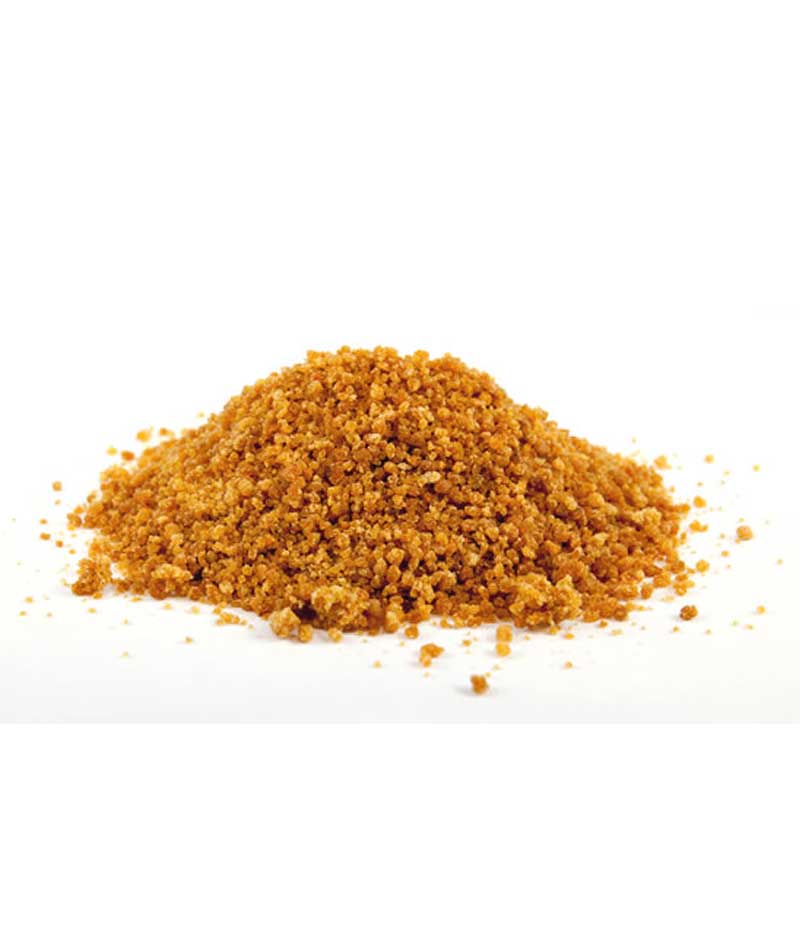
If you only make one change, make it this one. Our organic coconut palm sugar comes from Bali, where the sap is collected from the flower stalks of the coconut palm, gently heated into a thick syrup and then dried into granules. That is it. No cane sugar, no maltodextrin, and Soil Association certified organic.
- Taste: rich, with a soft caramel note, similar to light brown sugar.
- How to swap: use it one for one in place of white or brown sugar. If you want to cut back, start with three quarters of the amount and adjust to taste.
- Best for: cookies, flapjacks, crumbles, granola, coffee and anything that suits a toffee-like depth.
- Good to know: its darker colour will give pale bakes, like sponges and meringues, a light golden tone. Coconut sugar is often described as lower GI than table sugar, but it is still sugar, so enjoy it in moderation.
Coconut sugar pairs beautifully with other coconut ingredients, so it is worth exploring our coconut products range if you love a tropical twist.
Stevia: big sweetness, almost no sugar

Stevia is a South American herb whose leaves taste intensely sweet. Our stevia leaf powder is the whole leaf, simply washed, dried and ground, rather than a highly refined white extract. The sweet compounds in stevia are many times sweeter than sugar, so a little goes a very long way.
- Taste: very sweet, with a herbal, slightly liquorice-like finish. The whole-leaf powder is green, so expect a hint of colour.
- How to swap: do not swap it like for like. Start with a small pinch in place of a teaspoon of sugar, taste, then add more if needed.
- Best for: hot drinks, smoothies, porridge, chia puddings and other recipes where sugar is there for sweetness only.
- Good to know: stevia does not caramelise, brown or add bulk, so it will not replace the structure sugar gives to cakes and biscuits on its own. In baking, try using stevia to replace part of the sugar and keep some coconut sugar for texture.
For drinks, liquid stevia is even easier: a drop or two in tea or coffee and you are done.
Agave syrup: the runny, baker-friendly option
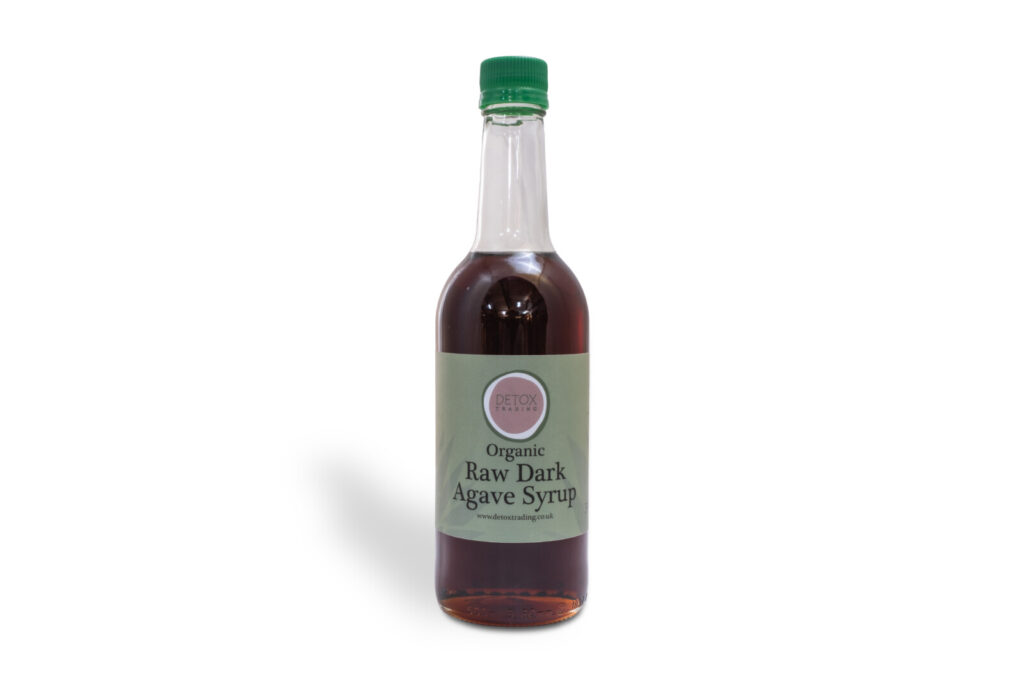
Agave syrup is made from the same succulent plant used for tequila. Our organic dark agave syrup comes from Mexico and has a deep, caramel flavour, richer than the golden versions, which tend to taste simply sweet.
- Taste: smooth and rounded, with caramel notes.
- How to swap: agave is sweeter than sugar, so many cooks use about three quarters of the amount of sugar the recipe calls for. Because it is a liquid, reduce the other liquids in the recipe by up to 30%.
- Baking tip: agave browns faster than sugar, so lower your oven temperature by around 10°C and keep an eye on things towards the end.
- Best for: drizzling over porridge and pancakes, raw desserts, dressings, sauces and sweetening cold drinks, as it dissolves instantly.
- Good to know: agave has a low GI, but it is high in fructose, so it is best used as a sweetener in small amounts rather than poured freely.
Coconut sugar vs stevia vs agave: quick swap guide
| Coconut palm sugar | Stevia leaf powder | Dark agave syrup | |
|---|---|---|---|
| Form | Granules | Fine green powder | Syrup |
| Flavour | Caramel, like brown sugar | Very sweet, herbal finish | Rich caramel |
| Swap for 100g sugar | 75g to 100g | Start with a pinch per teaspoon and taste | About 75g, and reduce liquids |
| Calories | Similar to sugar | Very low per serving | Similar to sugar |
| Best for | Cookies, crumbles, coffee | Drinks, smoothies, porridge | Raw desserts, drizzling, dressings |
Other natural sweeteners worth trying
Once you have the basics down, there are a few other swaps in our natural sweeteners range worth exploring:
- Rapadura sugar: whole, unrefined cane sugar with a deep molasses flavour.
- Xylitol: looks and tastes much like sugar, with fewer calories. Keep it well away from dogs, as it is toxic to them.
- Agave inulin powder: a lightly sweet prebiotic fibre from the agave plant. Inulin is a handy way to add fibre to smoothies and yoghurt.
- Yacon root powder: a fruity, gently sweet powder that is naturally rich in fibre.
Five tips for making the switch stick
- Go gradually. Cut the sweetener in your tea or recipes by a little each week. Your taste buds adjust faster than you might think.
- Swap one thing at a time. Start with your morning coffee or porridge before tackling your baking.
- Mix and match. Combining coconut sugar with a pinch of stevia keeps the texture of a bake while reducing the total sugar.
- Use flavour, not just sweetness. Cinnamon, vanilla, raw cacao and ripe fruit all make food taste sweeter without adding sugar.
- Watch the hidden sugars. Sauces, cereals and “healthy” snack bars often contain more sugar than you would expect, so check the labels.
Try it in the kitchen
Need some inspiration? Our raw chocolate recipe is a great way to put natural sweeteners to work, and our raw granola is a breakfast staple that works well with coconut sugar or a drizzle of agave. For chocolate lovers, pair your sweetener with something from our raw cacao and carob range.
Please speak to a medical professional first
If you have diabetes or another condition that affects your blood sugar, are pregnant or breastfeeding, or are taking medication, please speak to your GP or a registered dietitian before making big changes to your diet. Natural sweeteners still count towards your daily sugar intake (stevia aside), so they work best as part of a varied, balanced diet.
Start your sugar swap today
Small changes add up, and swapping refined sugar is one of the easiest places to start.
Shop our full range of natural sweeteners to find your favourite, or browse our wider health and wellness supplements and weight management collections for more ways to support your goals.